
Gaming and psychological health are converging more than ever, particularly in high-risk strategic games https://turbomines.eu.com/. Turbo Mines, with its focus on risk and pattern forecasting, demands players for keen attention, calm nerves, and rational thought. Numerous who approach the game seriously now utilize organized mindfulness methods to improve their play. The objective isn’t to triumph in every round. It’s to create a mental space where wise decisions can take place, free from panic or rash behavior.
The Intellectual Requirements of Tactical Play
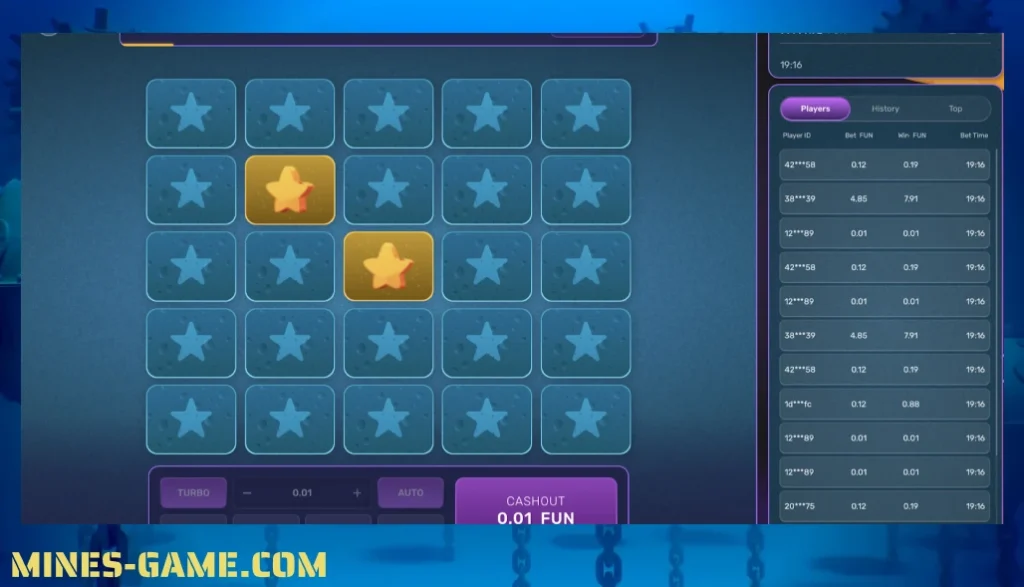
Why does attentiveness belong here? Begin by looking at what Turbo Mines asks of your brain. Each round presents a grid containing multipliers and mines. You click to reveal multipliers and grow a cashout value, but striking a mine brings everything to zero. You’re trapped in a loop of assessing risk, computing odds, and balancing rewards. The pressure intensifies with each safe click, because the increasing potential loss weighs more. This stress can trigger cognitive traps like loss aversion or the gambler’s fallacy. It can flood your system with stress hormones, prompting decisions based on hope or fear rather than the numbers on the screen.
Game Techniques for Mental Regulation

Feeling waves come with the game. Awareness offers an ground when they strike. Employ the “one-breath reset.” After a significant event—a enormous multiplier or a destructive bomb—take just one full, slow puff before you make anything else. That quick stop disrupts the chain reaction of pure emotion. One more useful approach is “noting.” Quietly label the feeling as it emerges: “annoyance,” “elation,” “greed.” Just labeling it creates space. It allows you to see the state without needing to react on it. Then you can return to the game from a steadier place.
Cultivating Non-Clinging to Results
Possibly the hardest mindfulness skill for games of luck and strategy is detachment. This does not indicate you give up. It signifies you consciously let go of clinging to a single outcome. In Turbo Mines, each click stands alone. The outcome remains unknown until the tile flips. Mindful awareness guides players to focus their concentration into the decision process itself—analyzing the playfield, calculating the probabilities—while accepting they cannot control the result. This method cuts down on “rage,” that emotional state following a loss that causes reckless play. Moreover, it stops a fortunate win from growing into dangerous overconfidence.
Prior to the Session Grounding and Goal Setting
A attentive session commences ahead of you even launch the game. A brief, straightforward routine moves your mind apart from everyday noise and into a state of prepared focus. Players often begin by defining a neutral, process-oriented intention. A statement like “I’ll pay attention to when I feel risk-averse today” works. Avoid outcome-based goals like “I have to win 50 pounds.” Next, a quick grounding exercise helps. Try focused breathing or a quick scan of your body from head to toe. This soothes your nervous system, lowers background anxiety, and gets your brain for the intense concentration ahead.
- Find a calm spot and sit comfortably for two to three minutes.
- Set a timer and pay attention solely to the in-and-out of your breath.
- If your mind drifts to the game or your to-do list, lightly guide it back to your breathing.
- Finally, declare your defined, process-focused intention for the gameplay ahead.
Defining Attentiveness within a Game Environment
From a strategic perspective, mindfulness is not simply unwinding. It’s the cultivated habit of watching your personal ideas, emotions, and physiological signs continuously, non-judgmentally. Within Turbo Mines, this involves noticing the greedy urge to play on following a big win with equal composure you’d give to the sinking feeling after a loss. It’s a tool for meta-cognition. That tiny window it creates between what happens and how you react is everything. It lets your planned strategy, not a sudden emotion, decide your next move.
End-of-Session Analysis and Examination
Mindfulness doesn’t end when you close the game. A structured review transforms your play into real insight. Rather than just examining your final balance, examine how you gamed. Pose yourself questions. When did I sense most hasty? Did I stick to my pre-set loss limit or profit goal? What did stress feel like in my body? This type of reflective, non-blaming review converts every game into actionable data. You learn about your own tendencies, which enables you refine your tactics and develop emotional toughness. It makes the process about long-term growth, not just the final round’s score.
Weaving Conscious attention within Extended Play
For enduring advantage, mindfulness should become a habit, not simply a technique you attempt every so often. View mental discipline as a trait that needs consistent training, both during play and beyond the game. Certain players maintain a diary to connect their attention levels with their performance. Some add five minutes of meditation each day to improve their overall awareness, which then carries over to the tabletop. The final aim is for that mindful pause to turn into a normal part of your decision cycle. Play remains a intentional decision, not an impulse. This is how you develop a harmonious, sustainable bond with the activity over time.
Using mindfulness for Turbo Mines offers players a path to achieve clarity of mind and emotional stability. These methods move the focus from random outcomes to the quality of the choices you make. By centering yourself before you commence, managing emotions during the game, and reviewing after, you establish a systematic approach rooted in consciousness. This aids reduce impulsive moves that hurt your game, and it encourages a more deliberate, measured way of gaming in general.